Prostatic Acid Phosphatase (ACPP) Antibody
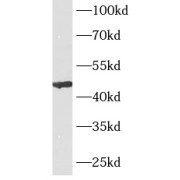
377€ (100 µg)
Por favor contáctenos para obtener información detallada sobre el precio y disponibilidad.
Name
Prostatic Acid Phosphatase (ACPP) Antibody
Category
Primary Antibodies
Provider
Abbexa
Reference
abx230102
Tested Applications
ELISA, WB, IHC
Description
ACPP Antibody is a Mouse Monoclonal against ACPP.
Documentos del producto
Instrucciones
Data sheet
Especificaciones del producto
| Category | Primary Antibodies |
| Immunogen Target | Target: Prostatic Acid Phosphatase (ACPP) Immunogen: acid phosphatase, prostate |
| Host | Mouse |
| Reactivity | Human |
| Assay Type | Concentration: 2 mg/ml |
| Recommended Dilution | WB: 1/200 - 1/2000, IHC: 1/20 - 1/200. Optimal dilutions/concentrations should be determined by the end user. |
| Clonality | Monoclonal |
| Conjugation | Unconjugated |
| Isotype | IgG2a |
| Observed MW | Observed MW: 48 kDa |
| Purity | ≥ 95% (SDS-PAGE) |
| Purification | Purified by Protein A and Protein G affinity chromatography. |
| Size 1 | 100 µg |
| Form | Liquid |
| Tested Applications | ELISA, WB, IHC |
| Buffer | PBS, pH 7.3, with 0.02% sodium azide and 50% glycerol. |
| Availability | Shipped within 5-12 working days. |
| Storage | Aliquot and store at -20°C. Avoid repeated freeze/thaw cycles. |
| Dry Ice | No |
| UniProt ID | P15309 |
| Gene ID | 55 |
| Alias | ACP-3,ACPP,TM-PAP |
| Background | Antibody anti-ACP3 |
| Status | RUO |
| Note | THIS PRODUCT IS FOR RESEARCH USE ONLY. NOT FOR USE IN DIAGNOSTIC, THERAPEUTIC OR COSMETIC PROCEDURES. NOT FOR HUMAN OR ANIMAL CONSUMPTION. |
Background
Acid phosphatases (ACP) are a group of enzymes that catalyze the hydrolysis of phosphate ester bonds under acidic conditions, resulting in the release of inorganic phosphate from organic molecules. These enzymes are characterized by their ability to function optimally at low pH levels. There are multiple forms of acid phosphatase, often denoted as ACP1, ACP2, ACP3, ACP4, and ACP5. Each isoform may have distinct tissue distribution, substrate specificity, and physiological roles. ACP1. It is found in various tissues and body fluids, including red blood cells, bone, prostate gland, and semen. It is a biomarker for poor prognosis in prostate cancer has been linked to bad clinical prognosis. ACP3 (Prostatic Acid Phosphatase - PAP) is predominantly expressed in the prostate and hydrolyzes phosphate esters in seminal plasma and has a role in semen liquefaction.
Productos relacionados
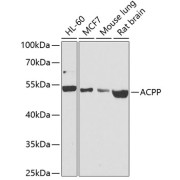
Prostatic Acid Phosphatase (ACPP) Antibody
ACPP Antibody is a Rabbit Polyclonal antibody against ACPP. ACPP is also named as PAP(prostatic acid phosphatase),5'-nuc…
Ver producto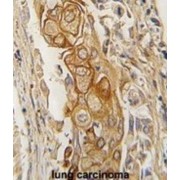
Prostatic Acid Phosphatase (ACPP) Antibody
ACPP is an enzyme which catalyzes the conversion of orthophosphoric monoester to alcohol and orthophosphate. It is synth…
Ver producto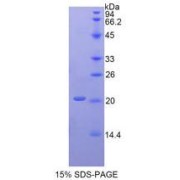
Human Prostatic Acid Phosphatase (ACP3) Protein
Human Prostatic Acid Phosphatase (ACP3) is a recombinant Human protein expressed in E. coli.…
Ver producto