Human IL-18R1/IL-18R (Interleukin-18 receptor 1) ELISA Kit
Contáctenos para saber el precio
Por favor contáctenos para obtener información detallada sobre el precio y disponibilidad.
Name
Human IL-18R1/IL-18R (Interleukin-18 receptor 1) ELISA Kit
Category
ELISA Kits
Provider
FineTest
Reference
EH0155
Tested Applications
ELISA
Documentos del producto
Instrucciones
Data sheet
Especificaciones del producto
| Category | ELISA Kits |
| Reactivity | Human |
| Detection Method | Colorimetric |
| Assay Data | 4 hours |
| Assay Type | Sandwich ELISA, Double Antibody |
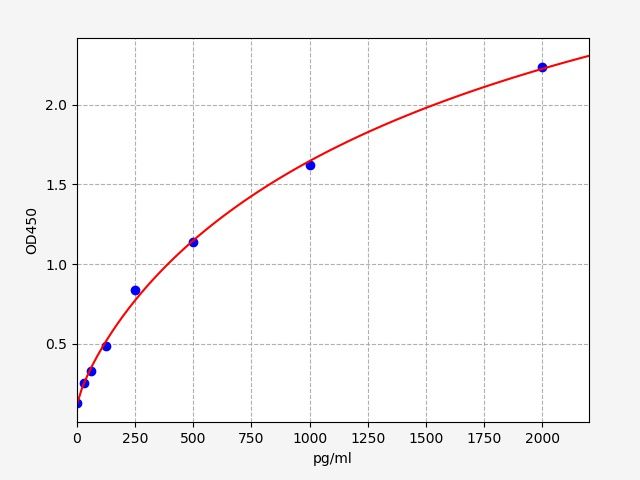
| Test Range | 31.25-2000pg/ml |
| Sensitivity | 18.75pg/ml |
| Size 1 | 96T |
| Tested Applications | ELISA |
| Sample Type | Serum, Plasma, Cell Culture Supernatant, cell or tissue lysate, Other liquid samples |
| Availability | Shipped within 10-14 working days. |
| Storage | 2-8 °C for 12 months |
| UniProt ID | Q13478 |
| Alias | L18R1, CD218a, CDw218a,IL-18Ralpha,IL-18 R alpha,IL-1 R5,IL-18RA,IL18RA,IL1RRP |
| Background | Elisa kits for IL18R1 |
| Status | RUO |
Background
IL18R1 is a key receptor in the interleukin-18 (IL-18) signaling pathway, mediating pro-inflammatory immune responses and host defense mechanisms. It forms a heterodimeric complex with IL18RAP (Interleukin 18 Receptor Accessory Protein) upon IL-18 ligand binding, leading to the recruitment of the MyD88 adaptor protein and activation of downstream NF-κB, MAPK, and JNK pathways. IL18R1 is highly expressed on immune cells, including T cells, natural killer (NK) cells, and macrophages, where it plays critical roles in cytokine production, immune cell activation, and Th1 immune responses. It contributes to the regulation of inflammation, pathogen defense, and tissue repair in response to infections, stress, and inflammatory stimuli. Dysregulation of IL18R1 is linked to autoimmune diseases, chronic inflammation, and cancers, where excessive IL-18 signaling promotes tissue damage and tumor progression. Knockout studies reveal impaired cytokine production, reduced NK cell activation, and weakened pathogen clearance, underscoring its critical role in innate and adaptive immunity, inflammatory signaling, and immune surveillance.
Productos relacionados

Interleukin 18 Receptor 1 (IL18R1) Antibody
IL18R1 Antibody is a Rabbit Polyclonal antibody against IL18R1. The protein encoded by this gene is a cytokine receptor …
Ver producto
IL18R Antibody
Rabbit polyclonal antibody against IL18R protein. Immunogen region is Internal.…
Ver producto
Interleukin 18 Receptor 1 (IL18R1) Antibody
Rabbit Polyclonal against the IL18R1 protein.…
Ver producto